Hardware Optimization in Volatile Environments
Modern industrial and technological operations are increasingly being conducted in environments that challenge the limits of equipment performance. From offshore facilities and chemical processing plants to mining operations and remote infrastructure projects, hardware must withstand extreme temperatures, moisture, vibration, dust, corrosive substances, and fluctuating operating conditions. Organizations that fail to optimize their hardware for these demanding environments often face increased downtime, higher maintenance costs, and compromised safety.
Hardware optimization is not simply about selecting rugged equipment. It involves a strategic approach that includes material selection, environmental testing, protective engineering, predictive maintenance, and system integration. Businesses that successfully optimize hardware in volatile environments create more resilient operations and gain a competitive advantage through improved reliability and efficiency.
As industries continue to automate and digitize critical processes, the importance of robust hardware design becomes even greater. Every component, from sensors and communication devices to production machinery and infrastructure systems, plays a role in maintaining operational continuity. Understanding how to optimize hardware under challenging conditions is essential for long-term success.
Understanding Environmental Stress Factors
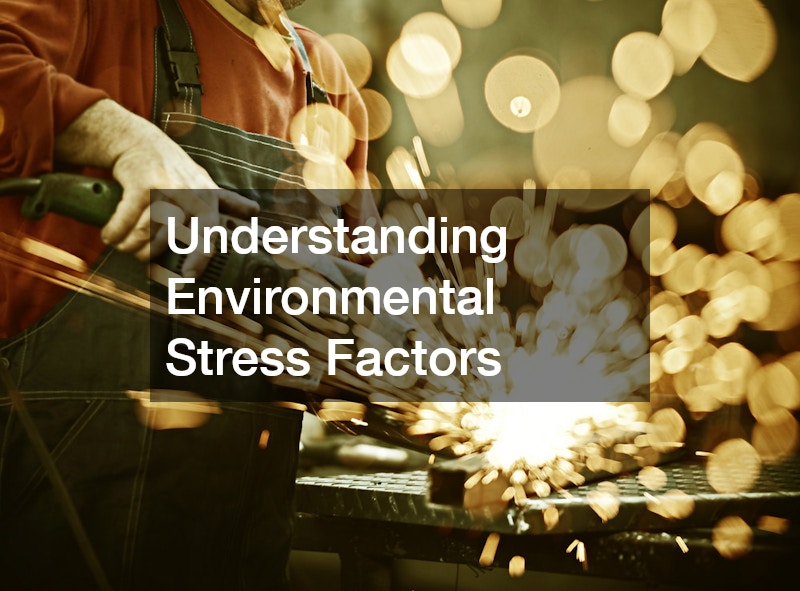
Every volatile environment presents a unique combination of stress factors that can affect hardware performance. Extreme heat can accelerate component degradation, while freezing temperatures may cause materials to become brittle or lose flexibility. High humidity, dust, and airborne contaminants can interfere with electrical systems and mechanical assemblies.
Industrial operators must conduct thorough environmental assessments before deploying equipment. Understanding the specific challenges of a location allows engineers to select appropriate materials, coatings, and protective measures. This process reduces unexpected failures and improves overall equipment longevity.
In hazardous industrial zones, specialized communication devices are often required. For example, an intrinsically safe phone is designed to operate safely in potentially explosive atmospheres where traditional electronics could create ignition risks. Such devices demonstrate how environmental considerations influence hardware selection and operational safety.
Material Selection as the Foundation of Reliability
The materials used in hardware construction significantly influence durability and performance. Components exposed to corrosive chemicals, saltwater, or abrasive particles must be manufactured from materials capable of resisting degradation over extended periods. Selecting the wrong material can lead to premature failure and costly repairs.
Stainless steel, specialized alloys, reinforced polymers, and composite materials are frequently chosen for demanding applications. Engineers evaluate mechanical properties, thermal resistance, chemical compatibility, and long-term wear characteristics when making material decisions. These evaluations help ensure that equipment maintains structural integrity under challenging conditions.
In many industrial sectors, advanced engineering fabric materials are increasingly being incorporated into protective covers, filtration systems, insulation solutions, and flexible structural applications. These specialized fabrics provide durability while offering resistance to chemicals, moisture, and environmental wear that traditional materials may not withstand.
The Importance of Testing Before Deployment
Laboratory and field testing play a crucial role in hardware optimization. Before equipment enters service, manufacturers and operators often conduct simulations that replicate real-world environmental conditions. These tests help identify weaknesses that may not be apparent during standard operation.
One particularly important process involves corrosion testing, which evaluates how materials and coatings perform when exposed to moisture, chemicals, salt spray, and other corrosive elements. These assessments provide valuable data that supports better design decisions and more accurate lifecycle predictions.
Testing programs often include thermal cycling, vibration analysis, impact resistance evaluations, and ingress protection assessments. By exposing hardware to realistic stress conditions, organizations can identify vulnerabilities early and implement corrective measures before costly failures occur in the field.
Precision Manufacturing for Harsh Conditions
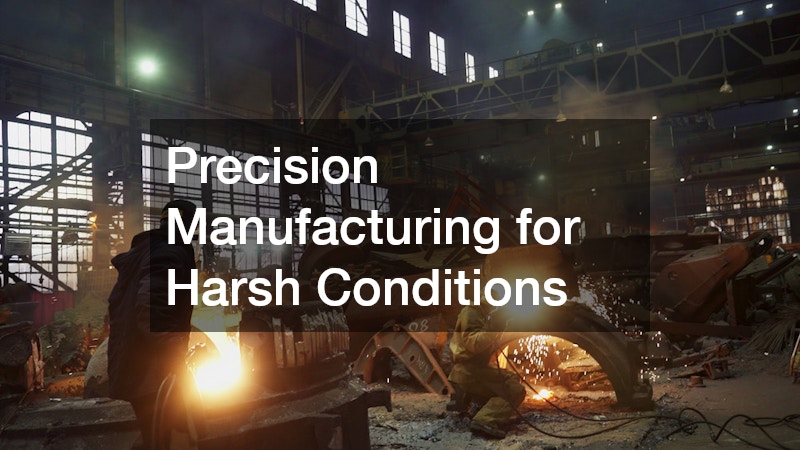
The quality of manufacturing directly affects hardware reliability. Components designed for volatile environments require exceptional accuracy because even minor imperfections can become failure points under continuous stress. Tight tolerances and consistent production standards help ensure dependable performance.
Modern CNC machines enable manufacturers to produce highly precise components that meet demanding specifications. Computer-controlled machining allows for repeatability, accuracy, and efficient production of complex parts that must perform reliably in difficult conditions. This precision contributes significantly to overall hardware durability.
Similarly, advanced precision grinding processes help achieve smooth surfaces and exact dimensions that reduce friction, improve sealing performance, and enhance component longevity. When combined with rigorous quality control procedures, these manufacturing techniques create hardware capable of withstanding extreme operating environments.
Enhancing Durability Through Advanced Fabrication
Fabrication techniques have evolved significantly in recent years, allowing manufacturers to create stronger and more resilient hardware systems. Structural integrity becomes especially important when equipment is subjected to vibration, pressure fluctuations, or mechanical impacts.
Modern metal fabrication processes enable the creation of customized enclosures, support structures, and equipment housings that provide enhanced protection. Advanced fabrication methods improve strength while maintaining efficiency and reducing unnecessary weight. These benefits are particularly valuable in industries where equipment mobility and durability are equally important.
Additionally, laser cutting services contribute to higher manufacturing accuracy and cleaner component edges. Laser-based processes allow intricate designs and precise cuts that support improved assembly quality and structural consistency. This precision reduces stress concentrations and improves long-term reliability in harsh environments.
Managing Mechanical Stress and Equipment Wear
Mechanical wear is one of the most common causes of hardware degradation in industrial settings. Continuous movement, heavy loads, vibration, and repetitive operating cycles gradually affect component performance. Effective optimization strategies focus on minimizing these stresses wherever possible.
Engineers use predictive maintenance technologies and condition-monitoring systems to detect early signs of wear. Sensors can track vibration patterns, temperature changes, and lubrication conditions, allowing maintenance teams to intervene before failures occur. This proactive approach significantly extends equipment lifespan.
Proper design also plays a major role in wear reduction. Selecting appropriate bearings, shock-absorption systems, and protective enclosures helps distribute loads more evenly and reduces stress concentrations. These improvements support more reliable operation in volatile environments.
Integrating Automation for Greater Stability
Automation has become a key tool for improving hardware performance in challenging operating conditions. Automated systems can monitor environmental variables continuously and make real-time adjustments that protect equipment from excessive stress. This capability helps maintain consistent performance even when conditions change rapidly.
One of the most valuable advancements in industrial automation involves PLC integrations. Programmable Logic Controllers provide centralized control over machinery, sensors, and monitoring systems, enabling faster responses to environmental fluctuations. Integrated automation platforms can identify abnormalities and trigger corrective actions before significant damage occurs.
Automation also improves operational efficiency by reducing human error and enhancing data collection. With accurate performance data, organizations can optimize maintenance schedules, identify recurring issues, and make informed decisions about equipment upgrades and replacements.
Protecting Communication and Monitoring Systems
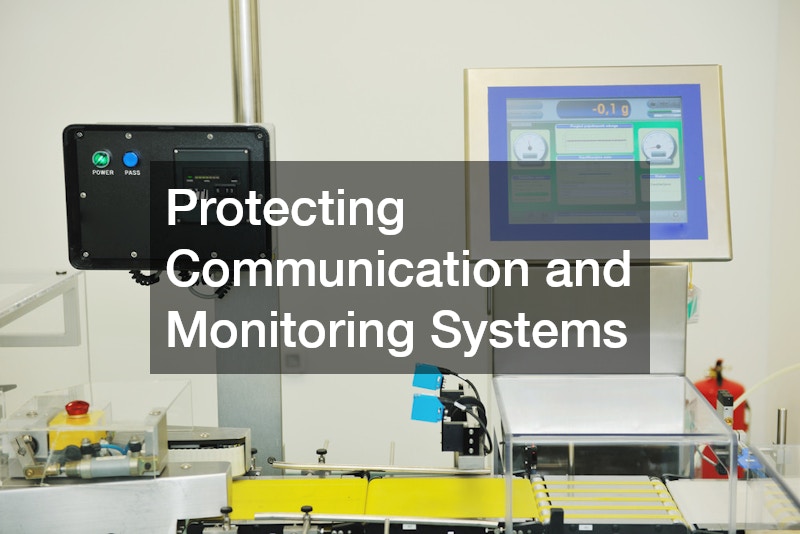
Reliable communication infrastructure is essential in volatile environments. Industrial facilities increasingly rely on connected devices, sensors, and monitoring platforms to maintain visibility into equipment performance and operational conditions. If communication systems fail, decision-making and response times can be severely impacted.
Hardware optimization efforts often focus on protecting communication equipment from environmental hazards. Weatherproof enclosures, electromagnetic shielding, and redundant communication pathways help ensure consistent data transmission. These protective measures support uninterrupted monitoring and operational awareness.
Remote monitoring technologies further enhance resilience by allowing experts to assess system conditions from distant locations. This capability is particularly valuable in hazardous environments where direct access may be limited or unsafe. Continuous connectivity enables faster troubleshooting and more effective maintenance planning.
Supporting Critical Infrastructure Systems
Many volatile environments involve infrastructure that provides essential services to communities and industries. Hardware failures within these systems can have widespread consequences, affecting productivity, safety, and environmental compliance. As a result, optimization efforts often focus heavily on critical infrastructure applications.
For example, water treatment systems depend on reliable pumps, sensors, control systems, and filtration equipment to maintain consistent performance. Exposure to chemicals, moisture, and continuous operation creates demanding conditions that require durable hardware solutions. Optimized equipment helps ensure uninterrupted service and regulatory compliance.
Infrastructure operators increasingly invest in redundant systems and advanced diagnostics to improve resilience. These strategies reduce the likelihood of catastrophic failures and provide greater confidence in long-term system performance.
Improving Efficiency in Material Movement Operations
Industrial facilities frequently rely on equipment designed to transport, store, and process heavy materials. These operations often expose hardware to dust, impact forces, moisture, and continuous mechanical stress. Without proper optimization, performance can deteriorate rapidly.
High-quality material handling equipment plays a crucial role in maintaining operational efficiency under challenging conditions. Conveyors, forklifts, cranes, automated guided vehicles, and storage systems must be engineered for reliability and durability. Equipment failures in material movement operations can create bottlenecks that disrupt entire production processes.
Optimization efforts often include reinforced components, advanced lubrication systems, and predictive maintenance technologies. These measures help reduce downtime and ensure that critical logistics operations continue functioning effectively despite environmental challenges.
Building a Long-Term Hardware Lifecycle Strategy
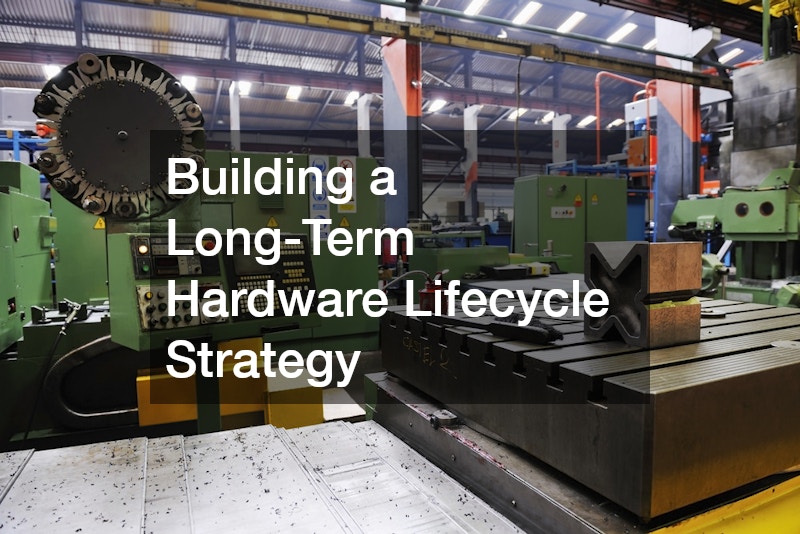
Successful hardware optimization extends beyond initial equipment selection. Organizations must develop comprehensive lifecycle strategies that address maintenance, upgrades, spare parts management, and future scalability. A long-term perspective helps maximize return on investment while minimizing operational risk.
Data-driven asset management programs provide valuable insights into equipment performance over time. By analyzing maintenance records, environmental conditions, and operational metrics, organizations can identify patterns that influence hardware reliability. These insights support more effective planning and resource allocation.
Lifecycle strategies should also account for technological advancements. As new materials, sensors, and monitoring tools become available, organizations can incorporate these innovations into existing systems to improve resilience and extend asset longevity. Continuous improvement remains essential in environments where conditions are constantly changing.
Leveraging Edge Computing in Unpredictable Conditions
As industrial operations become more connected, edge computing has emerged as an important tool for maintaining performance in volatile environments. Rather than sending all operational data to centralized servers or cloud platforms, edge devices process information closer to the source. This approach reduces latency, improves response times, and enables critical decisions to be made even when network connectivity is unreliable.
In remote facilities, offshore platforms, and hazardous industrial locations, communication interruptions can occur unexpectedly. Hardware equipped with edge computing capabilities can continue monitoring equipment, analyzing performance metrics, and executing automated responses without depending on constant access to external networks. This capability enhances resilience and supports uninterrupted operations during network outages.
Edge computing also reduces the amount of data that must be transmitted across communication channels. By filtering and processing information locally, organizations can focus on transmitting only the most relevant insights. This improves system efficiency while reducing bandwidth requirements and strengthening overall operational reliability.
Sustainability Considerations in Hardware Optimization
Sustainability has become an increasingly important factor in hardware design and optimization strategies. Organizations are seeking ways to improve environmental performance while maintaining the durability and reliability required for demanding operating conditions. Optimized hardware often contributes directly to sustainability goals through reduced energy consumption, longer service life, and lower waste generation.
Energy-efficient components help minimize power requirements while maintaining high levels of performance. Advanced cooling systems, intelligent power management technologies, and improved component designs reduce energy usage without sacrificing reliability. These improvements can significantly lower operating costs while supporting environmental objectives.
Extending hardware lifespan is another important sustainability strategy. Durable equipment requires fewer replacements, reducing the consumption of raw materials and minimizing waste. By combining resilient designs, predictive maintenance programs, and strategic upgrades, organizations can maximize asset value while reducing the environmental impact associated with frequent equipment replacement.
Hardware optimization in volatile environments requires a comprehensive approach that combines engineering expertise, advanced manufacturing, rigorous testing, and proactive maintenance. Organizations must evaluate environmental risks carefully and implement solutions that address both immediate challenges and long-term operational requirements. Every component, material, and system design decision contributes to overall reliability and performance.
As industries become increasingly dependent on automation, connectivity, and data-driven decision-making, the demand for resilient hardware will continue to grow. Investments in precision manufacturing, environmental protection, intelligent monitoring, and infrastructure resilience help organizations maintain productivity even under extreme conditions. These strategies reduce downtime, improve safety, and strengthen operational stability.
Hardware optimization is not a one-time project but an ongoing commitment to performance improvement. By combining durable materials, advanced technologies, and strategic lifecycle management, organizations can successfully navigate the challenges of volatile environments while achieving greater efficiency, reliability, and long-term value. Looking ahead, the organizations that invest in adaptable and resilient hardware architectures will be best positioned to manage uncertainty and capitalize on technological advancements. Whether operating in industrial facilities, critical infrastructure environments, or remote field locations, optimized hardware serves as the foundation for safe, efficient, and uninterrupted operations. By treating environmental challenges as design considerations rather than obstacles, businesses can build systems that not only survive volatile conditions but continue to perform at a high level for years to come.